Kuwait and Bahrain: Small Markets, Big Search Intent
Why Kuwait and Bahrain deserve dedicated pages, keywords and campaigns rather than being folded into a regional GCC catch-all, and how to build them well.


Kuwait and Bahrain are smaller than Saudi Arabia or the UAE by population, but their searchers are often further along the buying journey and highly specific about location. Brands that build dedicated Kuwait and Bahrain pages and campaigns, rather than folding both into a regional catch-all, tend to match that intent far better.
This article explains why small GCC markets deserve their own search strategy, what local intent looks like in practice, and how to structure pages, keywords and paid campaigns for Kuwait and Bahrain without wasting effort.
Why small GCC markets carry strong search intent
Low overall search volume is easy to misread as low opportunity. In Kuwait and Bahrain, many queries include the country or a city name, such as Kuwait City, Salmiya, Hawalli, Manama or Muharraq. That location modifier usually means the person wants to buy, visit or book locally, not just research. For more on this, see our guide to SEO opportunities in Qatar.
Fewer competitors, clearer signals
Many regional brands publish one GCC page and assume it will rank everywhere. That leaves gaps. A well-built Kuwait page often competes against a handful of genuinely local results rather than dozens of regional ones, and the signals Google uses to judge relevance, such as local addresses, prices and delivery terms, are easier to provide.
High value per visitor
Both markets have high average household incomes and strong online shopping habits. A smaller number of well-targeted visitors can produce meaningful revenue, especially in categories such as electronics, automotive, education, healthcare and property.
The problem with a regional catch-all page
A single page titled something like “GCC delivery” or “Middle East services” tries to serve everyone and ends up serving no one well. Searchers in Kuwait look for prices in Kuwaiti dinar, delivery times to their governorate and payment methods they trust. Bahraini users look for the same details in Bahraini dinar.
What gets lost
- Local currency and pricing, which affects both trust and click-through from results.
- Delivery and returns information specific to the country.
- Local phone numbers, WhatsApp contacts and store or office addresses.
- References to local regulations, public holidays and shopping seasons.
How search engines see it
Google tries to show results that best match the user’s location and language. A generic regional page competes against local pages that answer the question more directly. Without hreflang or clear country targeting, the regional page may also compete with your own UAE or Saudi pages, splitting signals.
Understanding search behaviour in Kuwait and Bahrain
Both markets search in Arabic and English, often mixing the two. English is common for technology, finance and international brands, while Arabic dominates many service, government related and everyday queries. Dialect matters: Kuwaiti and Bahraini Arabic share Gulf vocabulary but have local terms, especially for food, neighbourhoods and services.
Arabic and English keyword research
Research each language separately. Start with seed terms from customer service logs, sales teams and on-site search. Then check Search Console filtered by country to see which queries already bring impressions from Kuwait or Bahrain. You will often find transliterated brand names and mixed queries that no tool suggests.
Seasonal patterns
Ramadan, Eid, National Day celebrations and White Friday all create spikes. Kuwait’s National and Liberation Days in late February and Bahrain’s National Day in December are important retail moments. Because Ramadan moves roughly eleven days earlier each year, revisit your seasonal calendar annually. Our piece on local search demand in Saudi Arabia covers the related details.
Building dedicated Kuwait and Bahrain pages
Dedicated pages work only if they offer something genuinely local. Copying the UAE page and swapping the country name creates thin, near-duplicate content that adds little value.
What to include
- Prices in local currency and any country-specific offers.
- Delivery areas, times and costs by governorate.
- Local payment options, such as KNET in Kuwait and BenefitPay in Bahrain, where you support them.
- Local contact details, showroom or branch addresses and opening hours.
- Answers to questions customers in that country actually ask.
URL and hreflang structure
Choose a clear structure, such as subfolders by country and language (for example /kw/ar/ and /bh/en/). Use hreflang with country codes, such as ar-KW, en-KW, ar-BH and en-BH, and include an x-default for users outside your target markets. Make sure every hreflang set is reciprocal and that canonicals point to the page itself.
| Approach | Best for | Watch out for |
|---|---|---|
| Country subfolders | Most brands with one main domain | Needs consistent hreflang across all pages |
| Country domains (.com.kw, .bh) | Brands with strong local operations | Each domain builds authority separately |
| Single regional page | Very limited offers | Weak match for local intent |
Local SEO and Google Business Profile
If you have physical locations in Kuwait or Bahrain, a complete Google Business Profile for each one is essential. Use consistent names, addresses and phone numbers across your site, profiles and directories. Choose accurate categories, add opening hours, including Ramadan hours, and respond to reviews in the language they were written in.
Local landing pages for branches
Each branch can have its own page with an address, map, hours, services offered and directions from well-known landmarks. Add LocalBusiness structured data that matches the visible page content.
Paid search in smaller GCC markets
Paid search in Kuwait and Bahrain often costs less per click than in the UAE or Saudi Arabia, but volumes are lower, so precision matters. Running separate campaigns per country lets you set local budgets, ad copy in local currency and schedules that follow local working weeks and holidays.
Practical campaign tips
- Split campaigns by country and by language, so you can control bids and messaging.
- Use location targeting based on presence, not interest, when you only serve residents.
- Send traffic to the matching country page, not the regional one.
- Use broad match carefully and review search terms often, since small markets reveal waste quickly.
Measuring performance by country
In GA4, create comparisons or explorations filtered by country, and in Search Console filter performance by country to track impressions, clicks and positions separately. Set up conversion tracking that records the country of the order or lead. Respect consent requirements and use Google Consent Mode v2 so your data reflects users’ choices.
Review results monthly, and compare each market against its own baseline rather than against the UAE or Saudi Arabia. A small market growing steadily is a success even if its absolute numbers look modest. It also connects closely to local search for Oman tourism.
Frequently asked questions
Is it worth creating separate pages for Kuwait and Bahrain?
Yes, if you sell or operate there and can offer genuinely local information. Without local content, a separate page adds little and may be seen as duplicate.
Should I use Arabic or English for these markets?
Both. Research each language separately and publish in the language your customers use for each type of query.
Do I need a local domain to rank in Kuwait or Bahrain?
No. Country subfolders with correct hreflang work well for most brands. Local domains can help but require separate authority building.
How do I avoid duplicate content across GCC country pages?
Differentiate with local prices, delivery, payment options, contact details, FAQs and examples. Use hreflang to show search engines which version is for which market.
Begin with your most important category in each market, build one strong local page in Arabic and English, and measure the result. Small markets reward brands that take the time to be specific, and that precision is often what wins the click.
Related articles
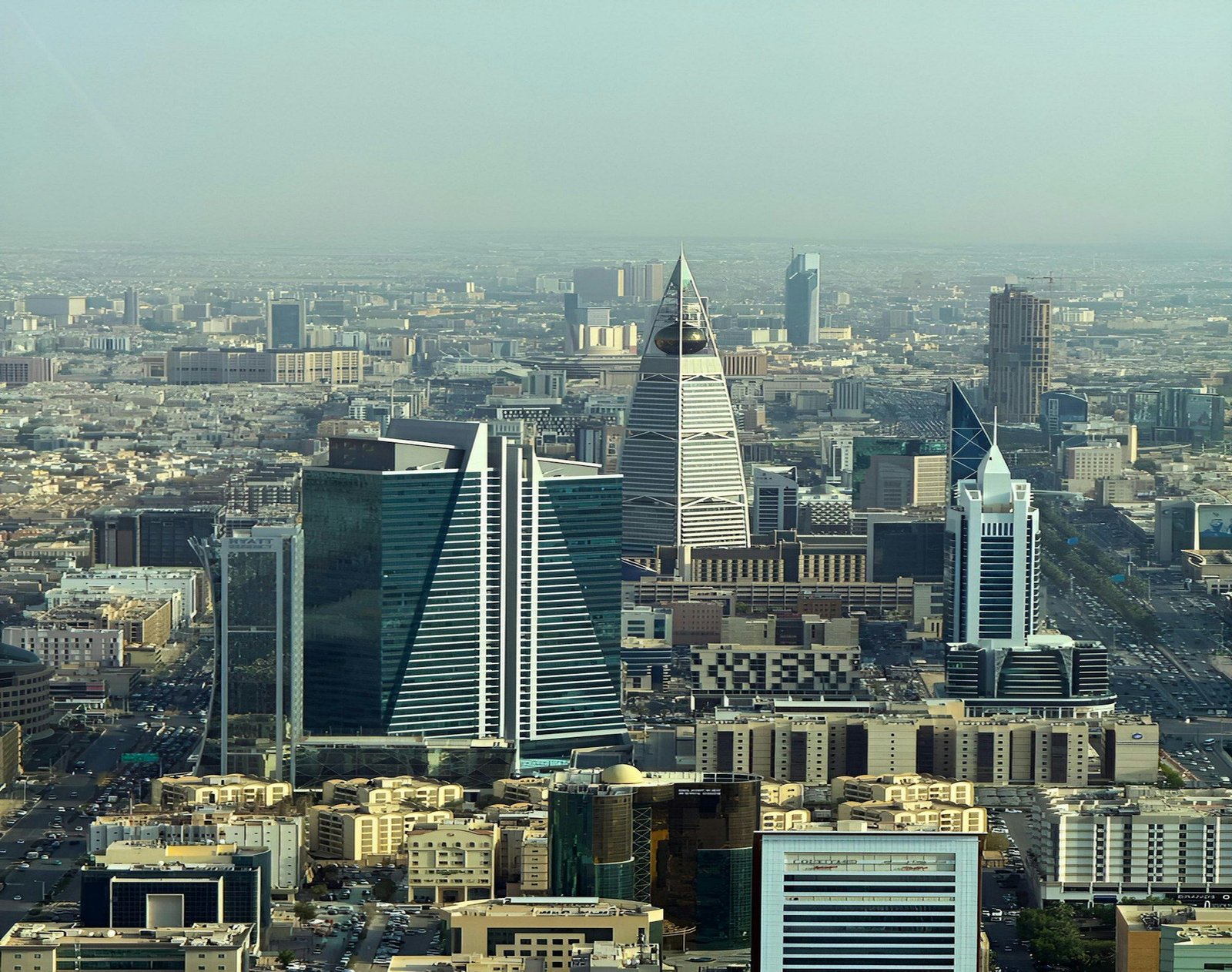
Saudi Vision 2030 and the Rise of Local Search Demand
New destinations, entertainment and services are creating fresh local search demand in Saudi Arabia. Here is how businesses can claim it early and keep it.
By Khalid Al Harthy
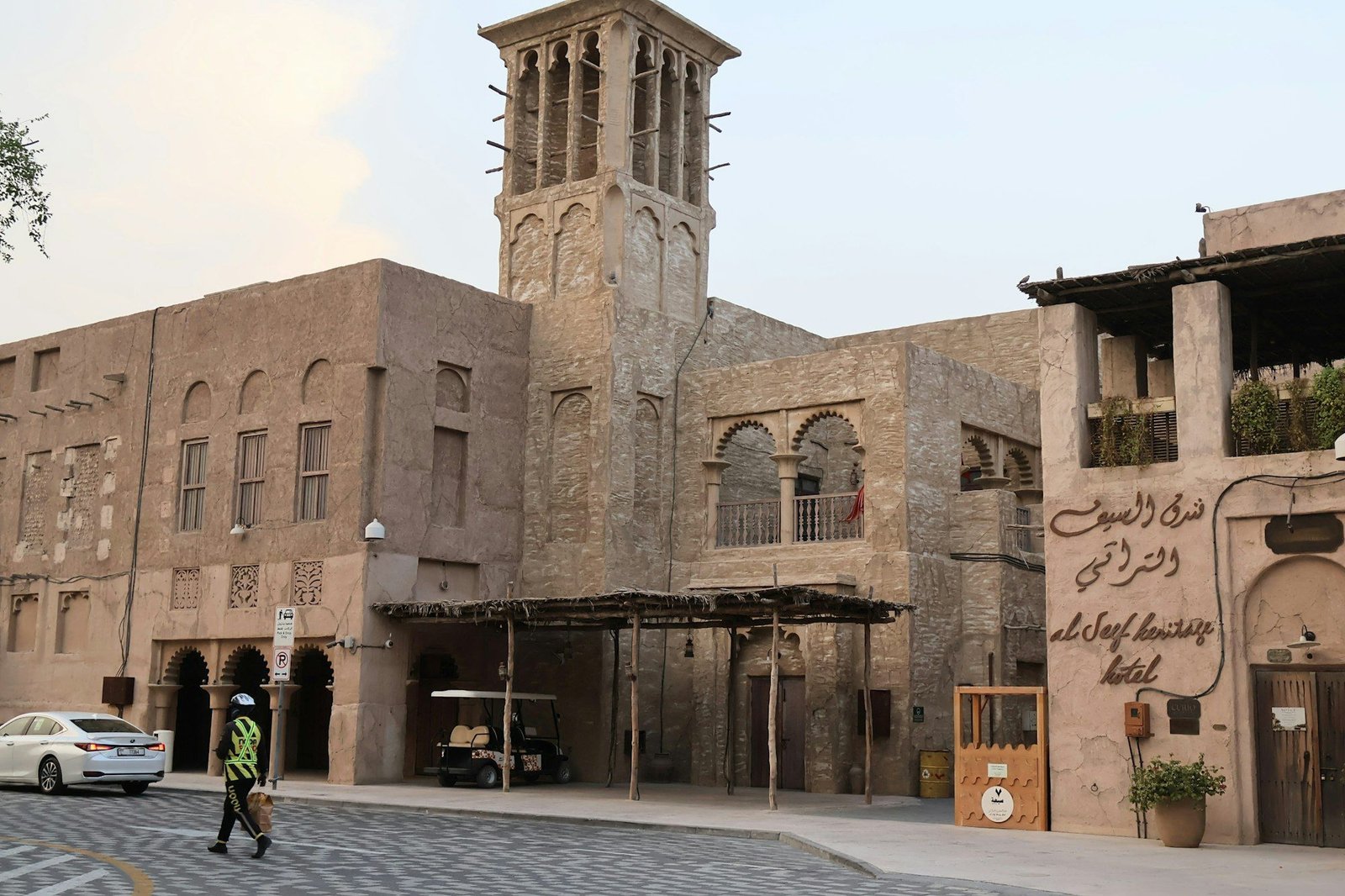
Google Business Profile Checklist for UAE Businesses
A practical checklist to make your Google Business Profile complete, bilingual and ready to rank in Dubai, Abu Dhabi, Sharjah and across the Emirates.
By Khalid Al Harthy
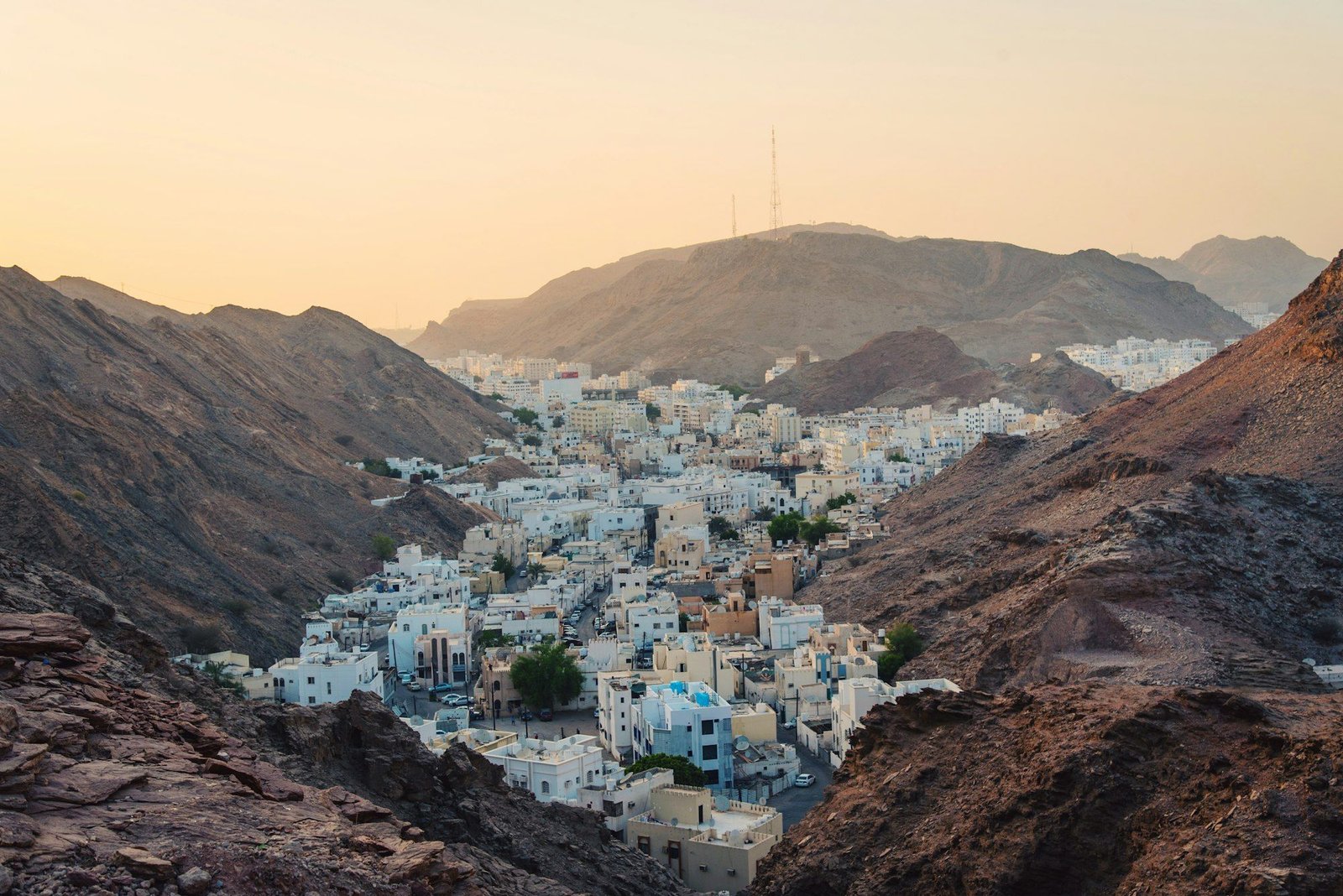
Oman’s Tourism Sector and Local Search: A Quick Primer
Hotels, tour operators and restaurants in Oman can win more direct bookings with a few local search fundamentals, from Google Business Profile to reviews.
By Khalid Al Harthy