Saudi Vision 2030 and the Rise of Local Search Demand
New destinations, entertainment and services are creating fresh local search demand in Saudi Arabia. Here is how businesses can claim it early and keep it.

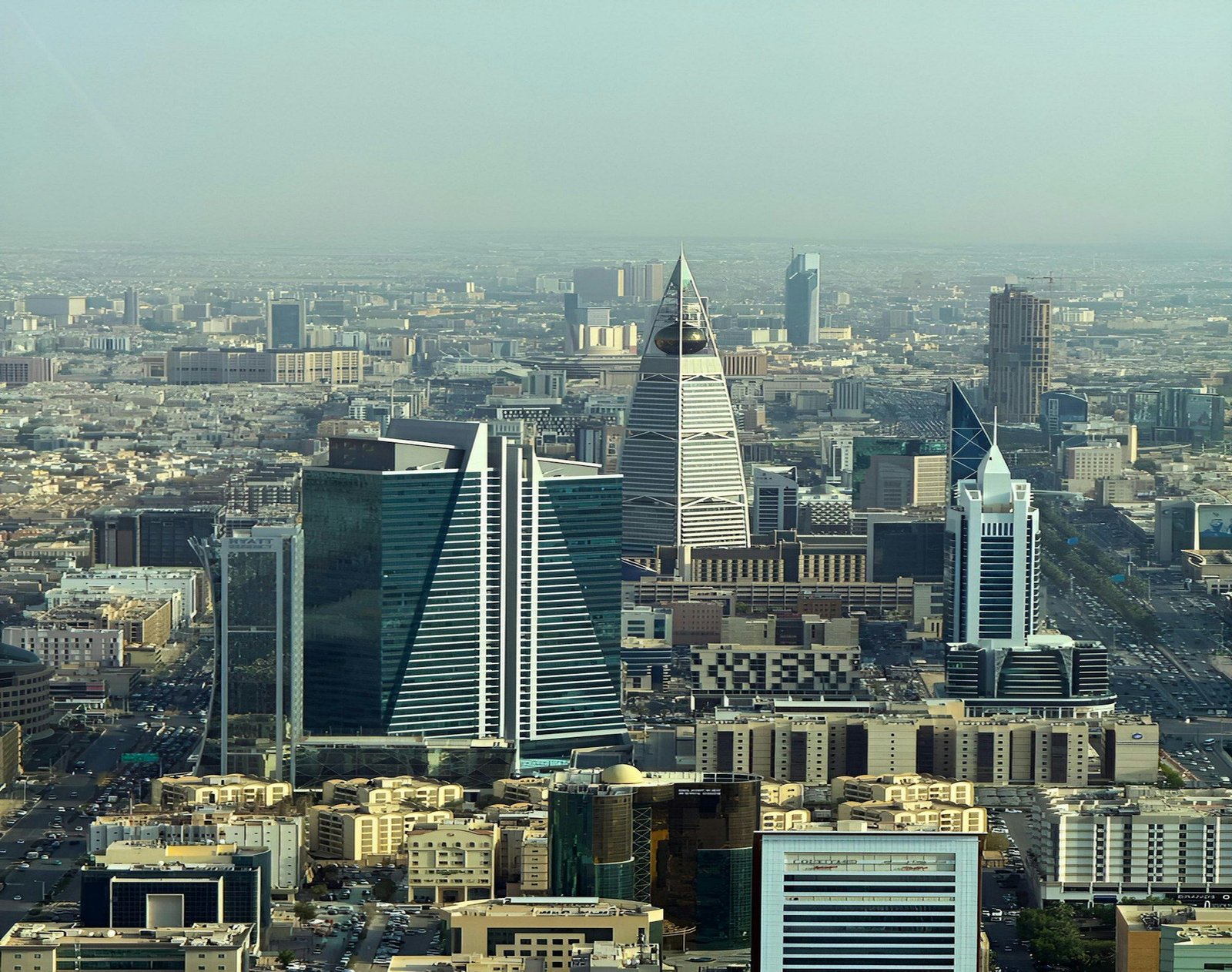
Saudi Vision 2030 is changing what people in the Kingdom search for. As tourism, entertainment, hospitality, sport and new urban districts open up, residents and visitors are looking for places, events and services that barely existed a few years ago. Many of these searches still return thin or outdated results.
For businesses, that gap is an opportunity. The companies that build accurate listings, useful local pages and a steady stream of reviews now are the ones search engines will trust when demand matures. This guide explains where the new demand comes from and how to capture it with practical local SEO.
Why Vision 2030 is creating new local search demand
Local search grows when people have new reasons to go somewhere or buy something nearby. Vision 2030 has added many of those reasons at once: cinemas and concerts, new restaurants and cafés, theme parks, heritage sites, giga projects, sports venues and a larger tourism sector. Each of these brings fresh queries such as things to do this weekend, family restaurants near me or event tickets in Riyadh. For more on this, see our guide to our Google Business Profile checklist.
Social change matters too. More women in the workforce, more domestic tourism and growing numbers of international visitors and residents all widen the range of services people look for, from driving schools to coworking spaces and international clinics.
Categories where results are still thin
In many established categories in Riyadh or Jeddah, the map pack is crowded. In newer categories, such as specific leisure activities, boutique hospitality, experience tourism or niche fitness studios, results are often patchy. Some listings have no photos, wrong hours or no Arabic description. A business that does the basics well can stand out quickly.
New destinations outside the main cities
Demand is no longer limited to Riyadh, Jeddah and the Eastern Province. Destinations such as AlUla, the Red Sea coast, Abha and Taif attract visitors who search on mobile once they arrive. Hotels, tour operators, restaurants and transport providers in these areas often have the least developed online presence, so the competition for visibility is lower.
How people in Saudi Arabia search locally
Saudi searchers are mobile first and comfortable switching between Arabic and English. Arabic is the default for most local queries, but English is common among expatriates, visitors and some younger users. Many people also use transliterated brand names or a mix of both languages in a single query.
- Arabic first: write descriptions, page titles and service names in natural Saudi Arabic, not a literal translation of English copy.
- Near me and district names: searchers often add a district, such as Al Olaya or Al Malqa, or simply rely on their location.
- Maps and voice: Google Maps, Apple Maps and voice assistants are used heavily when people are already on the move.
- Seasonal peaks: Ramadan, Eid, national days, school holidays and major events all shift demand, and Ramadan moves about 11 days earlier each year.
Build a strong Google Business Profile in the Kingdom
For most local businesses, Google Business Profile is the single most important asset. It feeds the map pack, Google Maps and many branded searches.
Get the essentials right
- Use your real business name without extra keywords.
- Choose the most accurate primary category and a small number of relevant secondary categories.
- Place the pin precisely, especially in new developments where addresses are still being formalised. Include the Saudi National Address where possible.
- Keep opening hours accurate, and set special hours for Ramadan, Eid and national holidays.
- Add a local phone number that is actually answered, plus WhatsApp details in your description or attributes where appropriate.
Make it bilingual and visual
Write the description in Arabic and English in a natural way. Upload real photos of the storefront, interior, team and products, and refresh them regularly. In new categories, photos help searchers understand what a place actually offers, which raises clicks and direction requests.
Reviews and replies
Ask satisfied customers for reviews at the right moment, for example after a visit or a completed service. Reply to every review in the language it was written in. Polite, specific replies show both customers and search engines that the business is active and trustworthy. Our piece on search intent in Kuwait and Bahrain covers the related details.
Create local pages that match real demand
Your website supports your profile. Search engines look for consistent, useful information about what you offer and where.
Location pages
If you have several branches, create one page per location with the address, hours, map, contact details, parking or access notes and something genuinely local, such as nearby landmarks or the services that branch focuses on. Avoid copying the same text with only the city name changed.
Service and experience pages
Write pages around the specific services or experiences people search for, such as a desert tour in AlUla or a padel court in north Riyadh. Answer practical questions: price ranges, booking, duration, family suitability and accessibility. Publish the Arabic version as a properly localised page, not a machine translation.
Structured data and consistency
Add LocalBusiness or a more specific schema type with the same name, address and phone number as your profile. Keep these details identical across your website, map apps and directories. Inconsistent details make it harder for search engines to trust your listing.
Common mistakes to avoid
- Adding city names or keywords to the business name, which can lead to suspension.
- Using one generic English description for every branch.
- Leaving old hours in place during Ramadan or public holidays.
- Creating listings for locations that do not have a staffed presence.
- Ignoring Apple Maps and other map apps used by iPhone owners.
- Launching a new venue without a profile, photos and a basic web page ready on opening day.
Measuring local search demand and results
New markets change quickly, so track demand rather than relying on assumptions.
- Search Console: review queries by page and country to see which Arabic and English phrases bring people to your local pages.
- Google Business Profile performance: watch searches, calls, website clicks and direction requests per location.
- GA4: track key actions such as bookings, calls and WhatsApp clicks, and segment by city and language.
- Keyword research tools and Google Trends: compare interest across regions and seasons, and spot new categories as they emerge.
Review these numbers monthly and around major events. A sudden rise in searches for a new venue or activity is a signal to create content and update listings before competitors react. It also connects closely to Arabic voice search.
Frequently asked questions
Is local SEO in Saudi Arabia different from the UAE?
The principles are the same, but Saudi search is more Arabic led, demand is spread across more cities and new destinations, and seasonal patterns can be stronger. Localise for Saudi Arabic and for each city rather than reusing UAE content.
Do I need a website if I have a Google Business Profile?
A profile alone can bring calls and visits, but a website with clear location and service pages strengthens trust, supports rankings and gives you somewhere to capture bookings and enquiries.
How quickly can a new venue appear in local results?
Once a profile is verified and complete, it can begin appearing for branded and nearby searches fairly quickly. Ranking for competitive generic terms takes longer and depends on relevance, distance and prominence, including reviews.
Should I target English searches as well as Arabic?
Yes, if your customers include expatriates, tourists or business travellers. Keep both versions accurate and equally complete.
Claiming demand early
Vision 2030 is creating local search demand faster than many businesses are building their presence. Get your profile complete and bilingual, publish genuinely useful local pages, collect and answer reviews, and measure what people search for. Doing these basics consistently is the most reliable way to own the results in the categories that are only now taking shape.
Related articles
Google Business Profile Checklist for UAE Businesses
A practical checklist to make your Google Business Profile complete, bilingual and ready to rank in Dubai, Abu Dhabi, Sharjah and across the Emirates.
By Khalid Al Harthy

Kuwait and Bahrain: Small Markets, Big Search Intent
Why Kuwait and Bahrain deserve dedicated pages, keywords and campaigns rather than being folded into a regional GCC catch-all, and how to build them well.
By Khalid Al Harthy
Oman’s Tourism Sector and Local Search: A Quick Primer
Hotels, tour operators and restaurants in Oman can win more direct bookings with a few local search fundamentals, from Google Business Profile to reviews.
By Khalid Al Harthy