Oman’s Tourism Sector and Local Search: A Quick Primer
Hotels, tour operators and restaurants in Oman can win more direct bookings with a few local search fundamentals, from Google Business Profile to reviews.

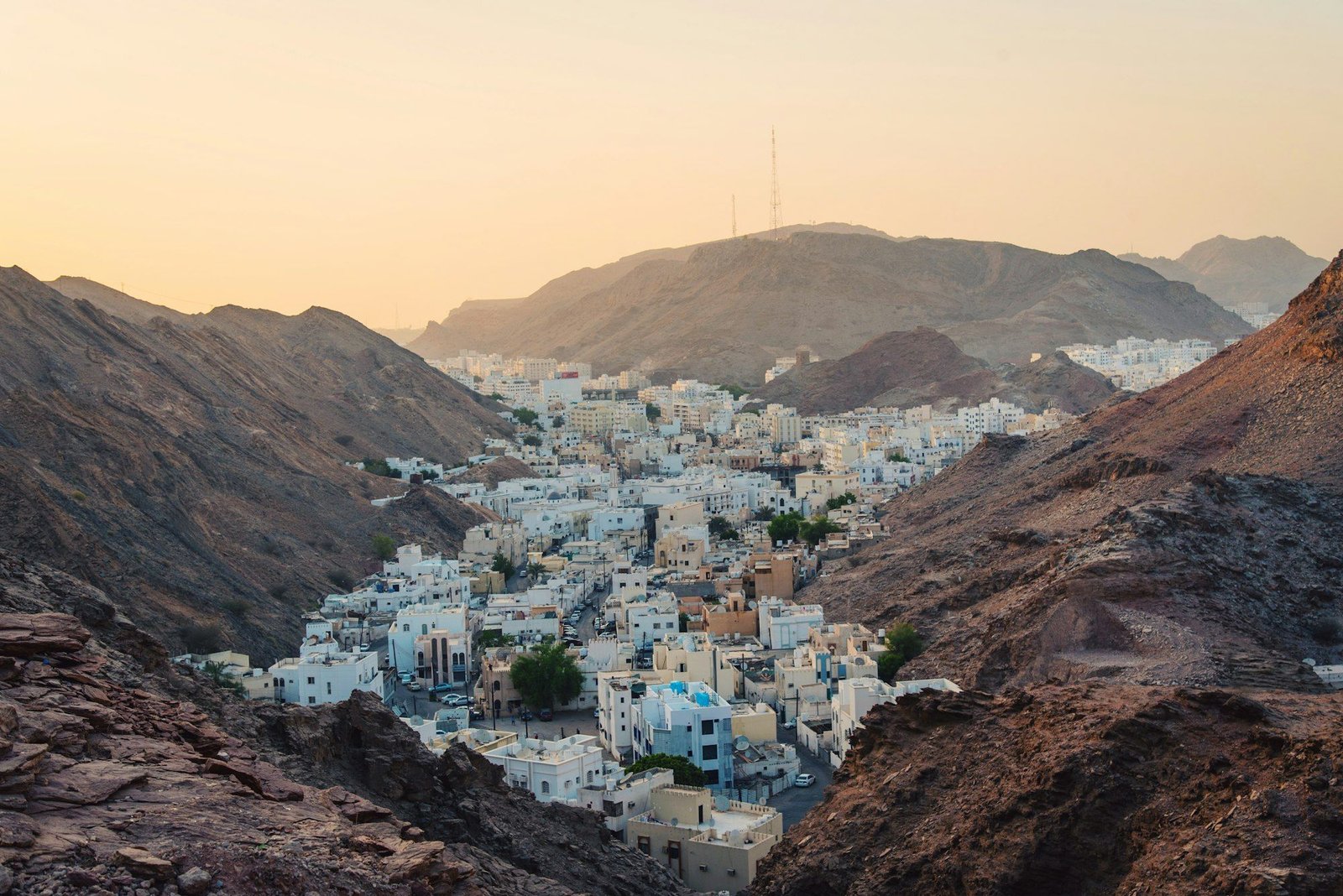
For hotels, tour operators and restaurants in Oman, local search is often the first place a visitor decides where to stay, eat or book a trip. Winning there comes down to a few fundamentals: a complete Google Business Profile, destination pages that answer real questions, a steady flow of reviews and content timed to Oman’s travel seasons.
This primer covers each of those basics, with practical steps for businesses in Muscat, Nizwa, Sur, Salalah, Musandam and beyond. It is written for owners and marketing managers who want more direct bookings and less dependence on third party platforms.
How travellers search for Omani tourism businesses
Visitors to Oman come from the wider GCC, Europe, India and further afield. Many start planning in English, while GCC travellers often search in Arabic, especially for family trips, chalets and summer breaks in Salalah. Searches mix broad planning queries, such as things to do in Muscat, with very local ones, such as restaurants near Mutrah Corniche. For more on this, see our guide to our Google Business Profile checklist.
Near me and on the move
Once travellers arrive, searches shift to mobile and to immediate needs: cafés nearby, fuel on the road to Jebel Akhdar, a dive centre in Musandam or a tour that runs tomorrow. These moments are dominated by the local pack in Google Search and by Google Maps, so your business profile matters more than your homepage.
Arabic and English searches
Research keywords separately in both languages. Arabic queries from Gulf visitors often use different place spellings and terms than English ones, and transliterations vary. Include both common spellings of place names, such as Sur and Ras al Jinz, in your content where natural.
Google Business Profile for hotels, tours and restaurants
Your Google Business Profile is often seen before your website. Treat it as a primary booking channel.
Getting the basics right
- Use your real business name, without extra keywords.
- Choose the most accurate primary category, such as hotel, tour operator or seafood restaurant, plus relevant secondary categories.
- Place the map pin precisely, which matters in areas such as wadis, desert camps and mountain villages.
- Add opening hours, including special hours for Ramadan, Eid and national holidays.
- Add a phone or WhatsApp number that is actually answered, plus your website and booking link.
Photos and attributes
Upload recent, genuine photos of rooms, views, food, vehicles and activities. Add relevant attributes, such as family friendly or wheelchair accessible, only where accurate. Keep the profile fresh with updates on seasonal offers or events.
Destination and experience pages on your website
Your website should support your profile with pages that match what travellers search for. A single “tours” page rarely ranks well for specific experiences.
What to build
- A page for each core experience, such as dolphin watching in Muscat, a Wahiba Sands desert camp or a Jebel Shams hike.
- Location pages for each property or branch, with address, map, directions and nearby landmarks.
- Practical information: duration, what to bring, pickup points, accessibility and cancellation terms.
- Prices in Omani rial, with clear notes on what is included.
Structured data
Use structured data that reflects the page, such as Hotel, LocalBusiness, Restaurant or TouristTrip where relevant, and keep it consistent with visible content and your business profile. Structured data supports understanding but does not replace useful content.
Reviews and reputation in Oman’s tourism sector
Reviews influence both rankings in the local pack and the decision to book. Ask satisfied guests for reviews at the right moment, such as after a tour ends or at check-out, and make it easy with a short link or QR code. Our piece on local search demand in Saudi Arabia covers the related details.
Responding well
Reply to reviews in the language they were written in. Thank guests specifically, address complaints calmly and explain any fix. Avoid offering incentives for reviews and never post fake ones, which breaks Google’s policies and can lead to profile restrictions.
Beyond Google
Travellers also check booking platforms and travel review sites. Keep your name, address, phone number and descriptions consistent everywhere, since inconsistent information confuses both users and search engines.
Seasonality and content planning
Oman has distinct travel seasons. The cooler months from roughly October to April bring many international visitors to Muscat, the interior and the desert. The Khareef season in Dhofar, during the summer monsoon, draws large numbers of GCC visitors to Salalah when much of the region is very hot.
| Season | Typical demand | Content ideas |
|---|---|---|
| Cooler months | International leisure, desert and mountain trips | Itineraries, hiking guides, desert camp pages |
| Khareef in Dhofar | GCC family travel to Salalah | Arabic family guides, accommodation and attractions |
| Ramadan and Eid | Regional short breaks, iftar dining | Iftar menus, Eid packages, adjusted hours |
Publish seasonal content several weeks before demand rises, so pages have time to be crawled and indexed. Because Ramadan moves roughly eleven days earlier each year, update your calendar annually.
Direct bookings versus online travel agencies
Booking platforms bring visibility, but commissions reduce margins. Make your own website the easiest place to book: show the same or better rates, a clear booking button, instant confirmation and simple payment. Mention direct booking benefits, such as flexible check-in or a free airport transfer, on your profile and website where you genuinely offer them.
Link your Google Business Profile to your own booking page, and check that hotel price feeds, where you use them, show accurate rates. Travellers comparing options on their phones will usually choose the option that feels quickest and most trustworthy.
Measuring local search results
Use the performance view in Google Business Profile to see searches, calls, direction requests and website clicks. In Search Console, track queries and pages for your destinations and filter by country to see which markets find you. In GA4, mark booking requests, calls and WhatsApp clicks as key events, and respect consent requirements with Google Consent Mode v2. It also connects closely to SEO opportunities in Qatar.
Common mistakes
- Duplicate or outdated business profiles left over from previous owners or old addresses.
- Website pages that do not match the experiences shown on the profile.
- Ignoring Arabic content while targeting GCC visitors.
- Publishing seasonal pages too late to rank.
Frequently asked questions
Do small guesthouses and tour operators need a website?
A complete business profile can bring enquiries on its own, but a simple website with clear experience pages and booking details builds trust and supports rankings.
Should I write content in Arabic as well as English?
Yes, if you serve GCC visitors. Arabic content is especially valuable for family travel and Khareef season demand.
How do I appear in Google Maps for remote locations?
Place your pin accurately, use a clear address description, add photos and directions from well-known landmarks, and gather reviews that mention the location.
How long does local SEO take to show results?
Profile improvements can show results within weeks, while website content usually takes longer to build visibility. Consistency over a full season gives the clearest picture.
First steps for Omani tourism businesses
Start by auditing and completing your Google Business Profile, then build or improve one page for your most popular experience in Arabic and English. Add a simple review routine, plan seasonal content early and review your results each month.
Related articles
Saudi Vision 2030 and the Rise of Local Search Demand
New destinations, entertainment and services are creating fresh local search demand in Saudi Arabia. Here is how businesses can claim it early and keep it.
By Khalid Al Harthy
Google Business Profile Checklist for UAE Businesses
A practical checklist to make your Google Business Profile complete, bilingual and ready to rank in Dubai, Abu Dhabi, Sharjah and across the Emirates.
By Khalid Al Harthy

Kuwait and Bahrain: Small Markets, Big Search Intent
Why Kuwait and Bahrain deserve dedicated pages, keywords and campaigns rather than being folded into a regional GCC catch-all, and how to build them well.
By Khalid Al Harthy