Schema Markup for Arabic Content: What Works
Structured data works the same in any language, but Arabic sites often get the details wrong. A practical checklist for schema markup on Arabic pages.
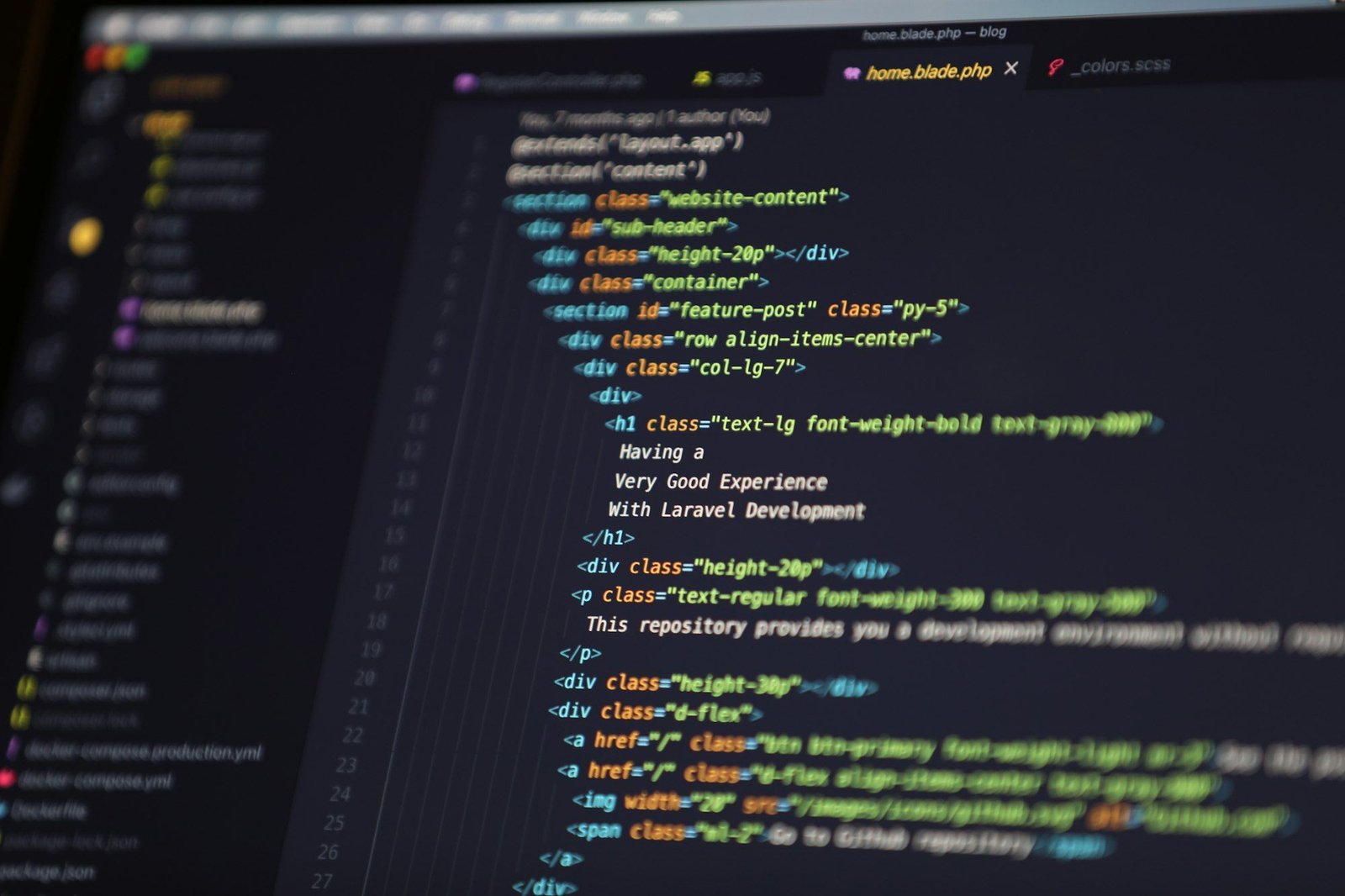
Schema markup works for Arabic content in exactly the same way as for English: Google reads JSON-LD structured data regardless of language. What goes wrong on Arabic sites is rarely the vocabulary itself. It is the details: values that do not match the visible Arabic text, markup copied from the English page, numbers in the wrong format, and encoding problems that break the JSON.
The rule that solves most issues is simple. Keep schema.org property names in English, write the values in the language of the page, and make sure the markup describes what an Arabic reader actually sees. This guide covers how to apply that rule across the schema types Gulf sites use most.
How structured data works on Arabic pages
Schema.org is a shared vocabulary. Types such as Article, Product and LocalBusiness, and properties such as name, description and address, are defined in English and must stay in English. Google does not recognise translated property names. For more on this, see our guide to hreflang for bilingual sites.
The values, on the other hand, are content. On an Arabic page, the headline, description, product name and address should be in Arabic, matching the text on the page. Google’s guidelines say structured data should represent the main content of the page, so markup that describes content the user cannot see risks being ignored.
JSON-LD is the safest format
Google supports JSON-LD, Microdata and RDFa, and recommends JSON-LD. For right to left sites it has a practical advantage: the markup sits in a script block, separate from the HTML layout, so it is not affected by text direction, nested inline elements or design changes.
Encoding and escaping
Serve pages in UTF-8 and output Arabic characters directly rather than as escaped sequences where your platform allows. Escaped Unicode is valid JSON, but it makes the markup hard to review. Watch for quotation marks inside Arabic text, which must be escaped correctly, and for invisible direction control characters copied from word processors, which can creep into values.
Language signals in your markup
Bilingual Gulf sites usually publish Arabic and English versions at separate URLs. Each version needs its own structured data that matches its own content.
- Use the inLanguage property on Article, WebPage and similar types, with values such as ar or en, or a regional code like ar-SA or ar-AE if you use them in hreflang.
- Set the url and mainEntityOfPage values to the Arabic URL on the Arabic page, never the English one.
- Keep the html lang and dir attributes correct, since they support the overall language signal.
- Link the language versions with hreflang. Structured data does not replace hreflang.
Schema types that matter most for Gulf sites
Article and NewsArticle
For publishers and blogs, include headline, datePublished, dateModified, author and image. The headline should match the Arabic title on the page. Author names can be written in Arabic, and it helps to link the author to a profile page through the url property.
Product and Offer
For e-commerce, mark up name, image, description and an offer with price, priceCurrency and availability. Use ISO currency codes: AED, SAR, QAR, KWD, BHD or OMR. The price must be a plain number with Western digits and a full stop for decimals, even if the page displays Arabic-Indic digits. Our piece on trust signals for regional publishers covers the related details.
LocalBusiness and Organization
Local businesses in Riyadh, Dubai or Doha should include name, address, telephone, geo coordinates and openingHoursSpecification. Gulf addresses can be informal, so give the most precise street, district and city you can, using addressCountry codes such as SA, AE or QA. Remember that many businesses close or change hours on Fridays and during Ramadan; keep opening hours accurate, and update them for special periods.
BreadcrumbList and FAQPage
Breadcrumb names should match the Arabic labels shown on the page. FAQ markup is valid for Arabic questions and answers, but Google now shows FAQ rich results only for a limited set of authoritative sites, so treat it as a clarity aid rather than a guaranteed enhancement.
Organisation and website markup across Gulf markets
Many Gulf brands operate in several countries with one bilingual site. Sitewide markup needs the same care as page level markup.
One organisation, several languages
Describe the organisation once per language version, with the legal or trading name as it appears on that page. You can include the other script in alternateName, for example the English name on the Arabic page, which helps Google connect both spellings to one entity. Keep the logo, sameAs profiles and contact details identical across versions.
Country specific pages
If you have separate pages for Saudi Arabia, the UAE or Qatar, each should mark up the prices, currency, phone numbers and addresses that apply in that market. Avoid one global Offer with a single currency on pages that target different countries.
Numbers, dates and formatting rules
| Field | On the Arabic page | In JSON-LD |
|---|---|---|
| Price | ١٬٢٩٩ ر.س | “price”: “1299”, “priceCurrency”: “SAR” |
| Date | ١٠ أكتوبر | ISO 8601, for example 2026-10-10 |
| Phone | Local format | International format with country code, such as +971 |
| Hours | من السبت إلى الخميس | dayOfWeek values in English, times as HH:MM |
Hijri dates may appear on the page, but structured data should use Gregorian ISO dates, since that is what the properties expect. It also connects closely to how AI Overviews affect Arabic search.
Validating and monitoring Arabic schema
- Test each template with the Rich Results Test and the Schema Markup Validator, using the live Arabic URL.
- Check that the Arabic text in the results displays correctly, not as broken characters.
- Use URL Inspection in Search Console to confirm Google sees the rendered markup, especially on JavaScript sites.
- Monitor the enhancement reports for errors after every release.
Common mistakes on Arabic sites
- Copying English JSON-LD onto Arabic pages unchanged.
- Translating property names or type names into Arabic.
- Prices using Arabic-Indic digits or thousands separators inside the price field.
- Arabic page markup pointing to the English URL.
- Marking up reviews or ratings that are not shown on the page.
Frequently asked questions
Can schema values be in Arabic?
Yes. Values such as name, headline and description should be in Arabic on Arabic pages. Only property and type names must stay in English.
Do I need separate markup for each language?
Yes. Each language URL should carry markup that matches its own content and language.
Does schema help Arabic pages rank?
Structured data is not a direct ranking factor, but it helps Google understand the page and can make it eligible for rich results that improve visibility.
Should prices use Arabic-Indic digits in schema?
No. Use Western digits in JSON-LD, while the visible page can use whichever digits suit your audience.
Getting Arabic schema right
Treat Arabic structured data as part of localisation, not an afterthought. Build templates that pull Arabic values from the same source as the visible page, apply consistent formatting rules for numbers and dates, and validate after each release. Done well, it gives Arabic content the same clarity in search that English pages already enjoy.
Related articles

Arabic Keyword Research: Dialects, Transliteration and Arabizi
Gulf users search in Modern Standard Arabic, Khaleeji dialect, English and Arabizi. Learn how to research, group and target all four query styles.
By Omar Al Mansoori
Hreflang for Bilingual Gulf Websites: A Practical Setup
Arabic and English versions, country targeting and RTL layouts: a practical guide to configuring hreflang on Gulf websites without the usual mistakes.
By Omar Al Mansoori

Core Web Vitals for Mobile-First GCC Audiences
Most Gulf browsing happens on mobile. Here is where to focus to improve LCP, INP and CLS on bilingual Arabic and English sites, and how to measure progress.
By Omar Al Mansoori